
COMMERCIAL PILOT CERTIFICATE
Get paid to fly.
The Commercial certificate lets you fly for compensation or hire. It's the license that turns flying into a career, and your next step toward instructing, charter and the airlines.
What a commercial pilot can do
This is where the hours you've built start paying you back.
FLY FOR HIRE
Get paid.
Aerial photography, banner towing, ferry flights and other paid work.
TEACH
Instruct.
Add a CFI rating and get paid to build hours while you teach.
CHARTER & CORPORATE
Go places.
Build toward charter and corporate jobs flying people where they need to be.
THE AIRLINES
Climb.
The last certificate before the airline transport pilot and an airline seat.
TOTAL FLIGHT TIME
250 hrs
Counting everything you logged for your earlier ratings.
FAA flight time requirements
The minimums for a Commercial Pilot certificate, airplane single-engine, under 14 CFR 61.129.
PILOT IN COMMAND
100 hrs
Including 50 hours of cross-country time.
WITH YOUR CFI
20 hrs
Instrument, complex or TAA, and day and night cross-country training.
SOLO OR PIC
10 hrs
Including a 300 nm cross-country and 5 hours of night.
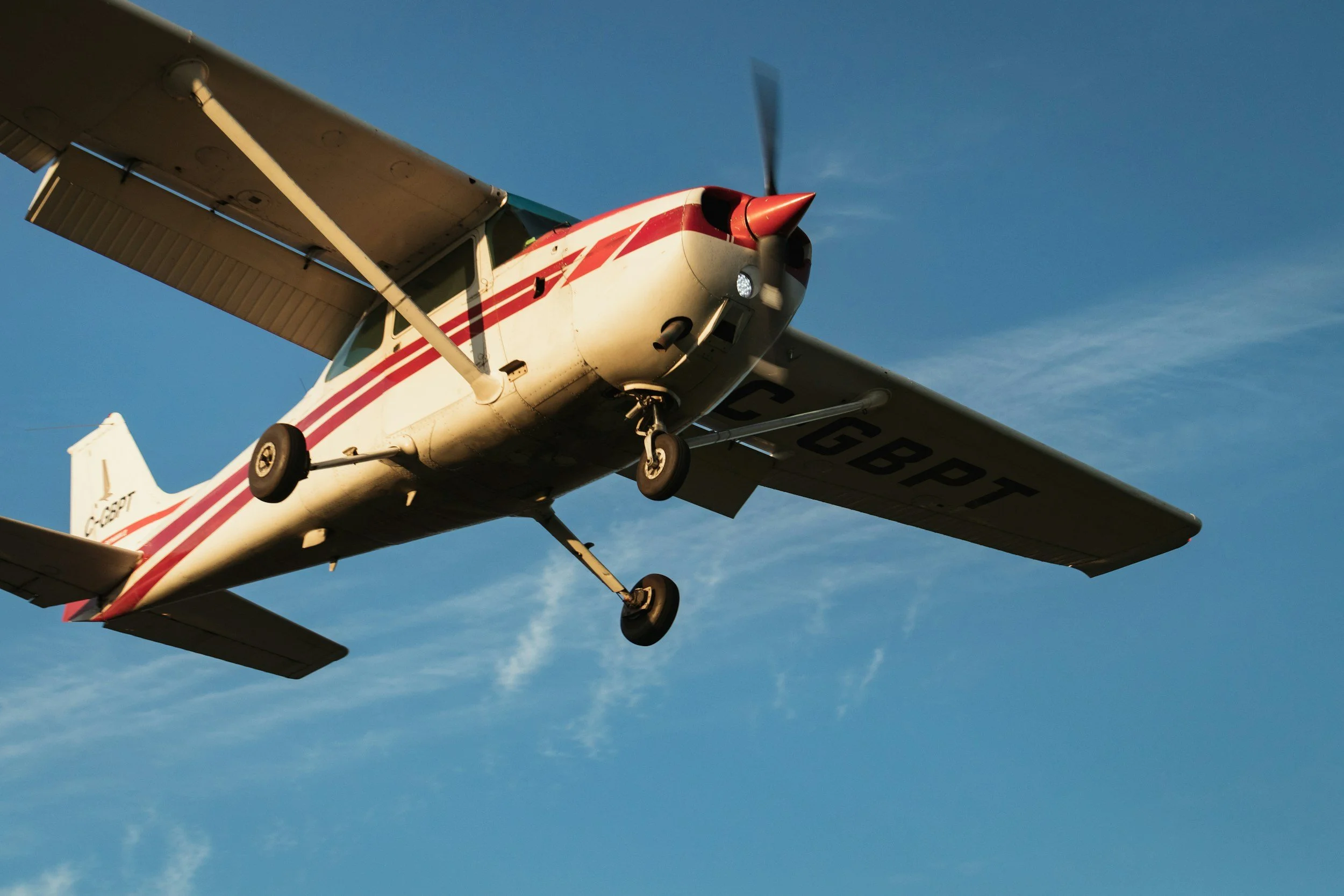
Fly it like a pro.
Commercial training is where flying gets precise. These are the maneuvers that separate someone who can fly from someone who flies for a living.
Chandelles: a maximum-performance climbing turn through 180 degrees, rolling out wings-level just above the stall.
Lazy eights: a slow, flowing figure eight across the horizon where pitch, bank and airspeed never stop changing.
Eights on pylons: pin a wingtip on a point on the ground and hold it there, climbing and descending as your groundspeed changes.
Steep spirals: power at idle, circling down around a point at a constant radius.
Then the power-off 180. Abeam your touchdown mark, throttle to idle. Now it's all judgment: the turn, the flaps, the glide. Touch down at or within 200 feet beyond the line. Nail it, and you're flying like a pro.
Why train one-on-one?
Large academies are built for volume and speed. Many students do better with one instructor who knows exactly where they are.
ONE INSTRUCTOR
Same CFI.
You fly with the same instructor every lesson. No re-briefing someone new, no lost progress.
YOUR SCHEDULE
Your pace.
Lessons built around your job and family, not a fixed academy calendar or a full-time commitment.
PAY AS YOU FLY
No lock-in.
Pay after each lesson instead of financing an entire program up front.
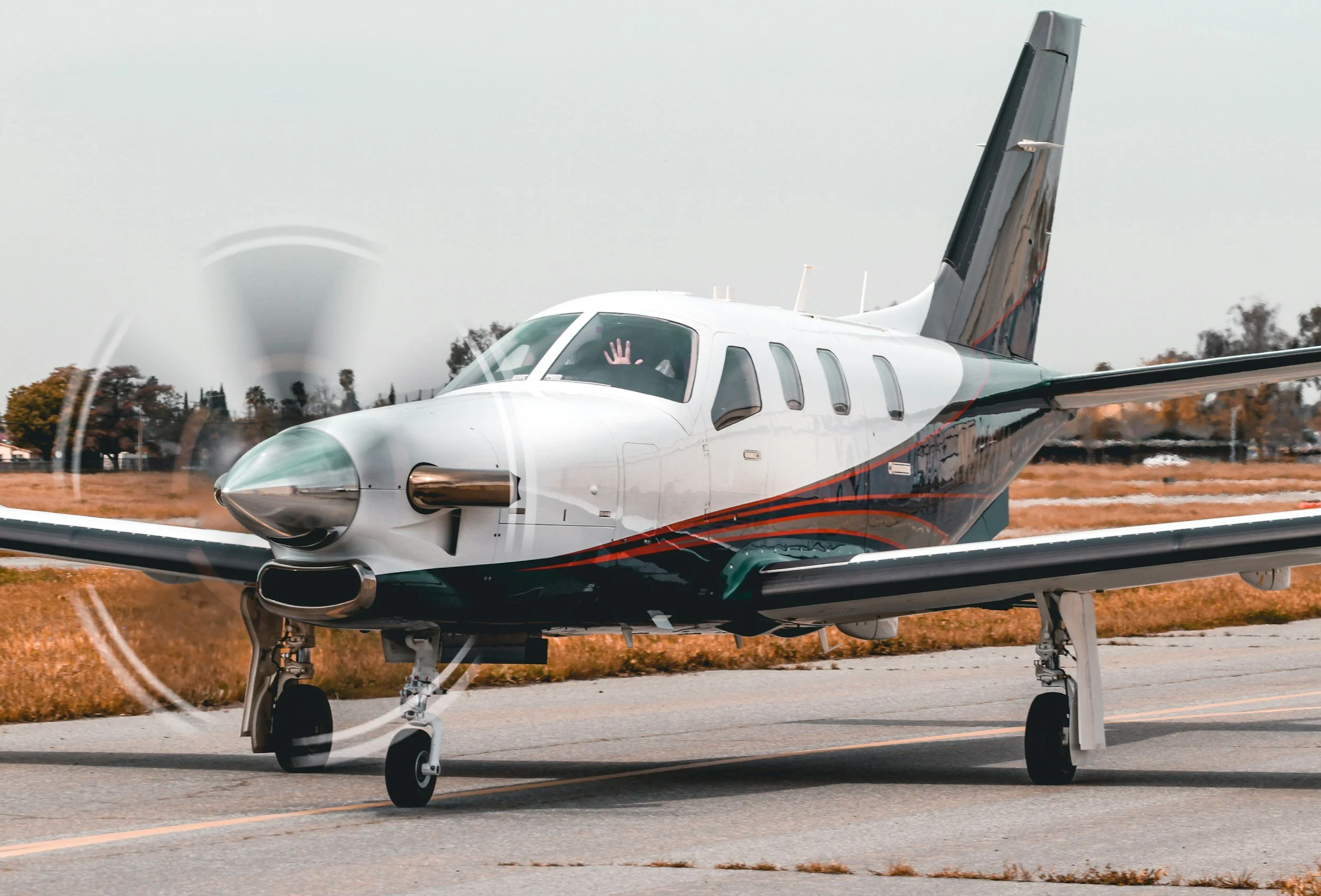
READY WHEN YOU ARE
Take the controls.
Commercial training typically runs $25,000 to $29,000. Estimates are not quotes; your total depends mostly on how often you fly.